
Sneakpeaks and Heartbeats: All About Canine Ultrasounds
Ultrasounds aren’t just for human healthcare; they’re also an important part of veterinary care. For dogs, they can offer a closer look at what’s happening beneath the surface. They can be used to confirm a pregnancy or to help diagnose an issue. If your veterinarian recommends an ultrasound, it’s usually to get clearer answers without putting your pet through anything more invasive.
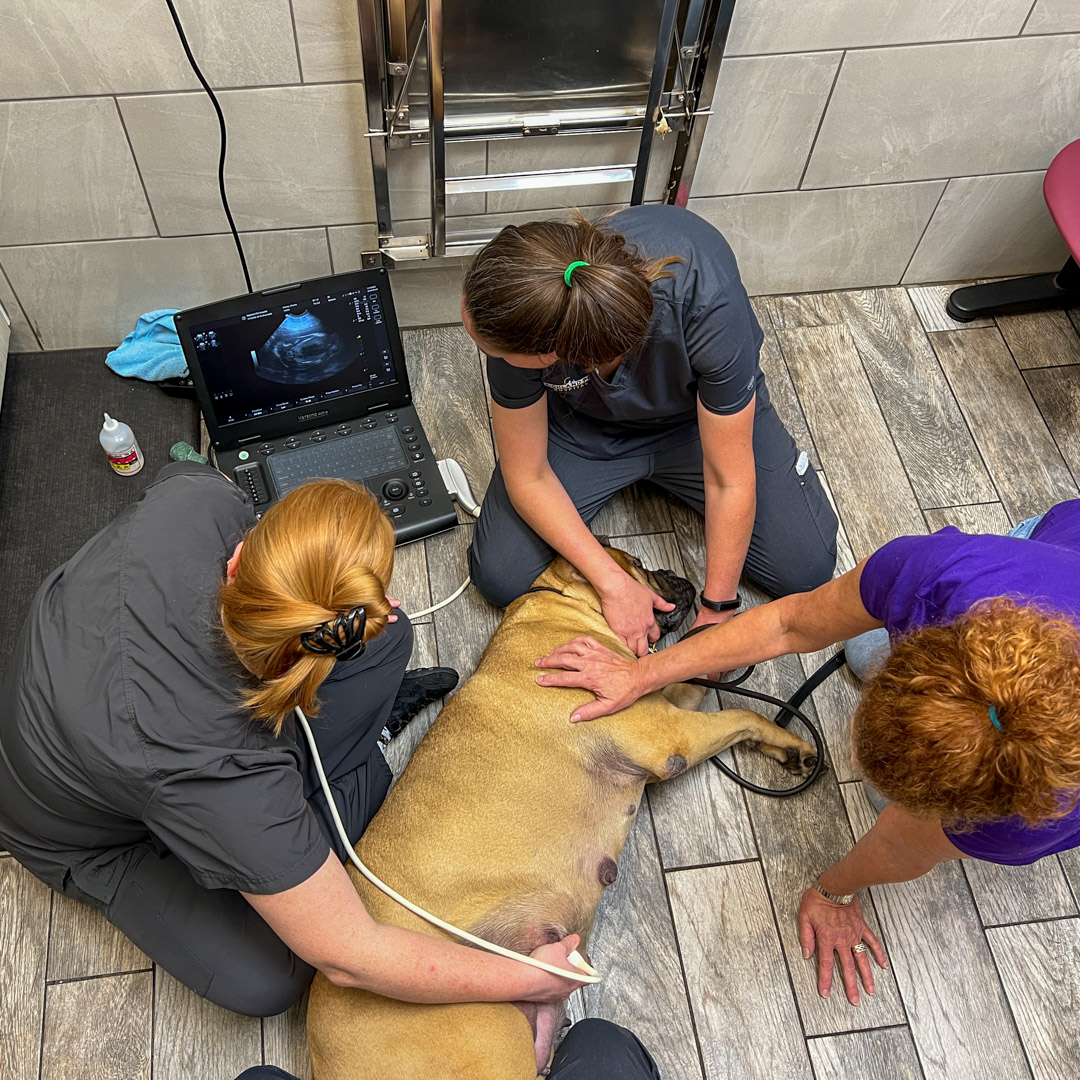
What Is a Canine Ultrasound?
Just like human ultrasounds, canine ultrasounds use sound waves to create real-time images of internal organs. This is different than X-rays, which use radiation. Ultrasounds provide a non-invasive, painless way to visualize soft tissue. It also allows vets to see movement, such as heartbeats, fluid movement, and organ function.
When Are Ultrasounds Used for Dogs?
Ultrasounds are typically used in two main situations: pregnancy diagnosis and diagnosing internal concerns.
Pregnancy Confirmation and Monitoring
Ultrasounds can confirm pregnancies roughly 25-30 days earlier than X-rays. They do so by detecting fetal heartbeats of the little pups. This offers a special and reassuring moment for owners. They’re also used throughout pregnancy to monitor the growth and development of the puppies. While ultrasounds can give a rough estimate of the number of pups in a litter, X-rays later in pregnancy are better for more precise counting.
Diagnosing Health Concerns
Luckily, ultrasounds can also help during unfortunate moments when pups are struggling. Specifically, when symptoms are unclear or internal, such as vomiting, lethargy, changes in appetite, and internal pain.
What vets can look at on an ultrasound:
- Liver, kidneys, bladder, spleen
- Uterus (if not pregnancy-related issues)
- GI tract for blockages
- Fluid buildup or internal bleeding
- Masses or abnormalities
What to Expect During the Appointment
If you’re in a situation where your dog needs an ultrasound, your vet will make it as smooth as possible. So you are prepared, your dog’s fur may be shaved in a small area to improve imaging. Then a gel will be applied so the probe can move more easily over the area.
Rest assured, dogs generally tolerate it well — it’s like a belly rub for them. And there is usually no need for sedation.
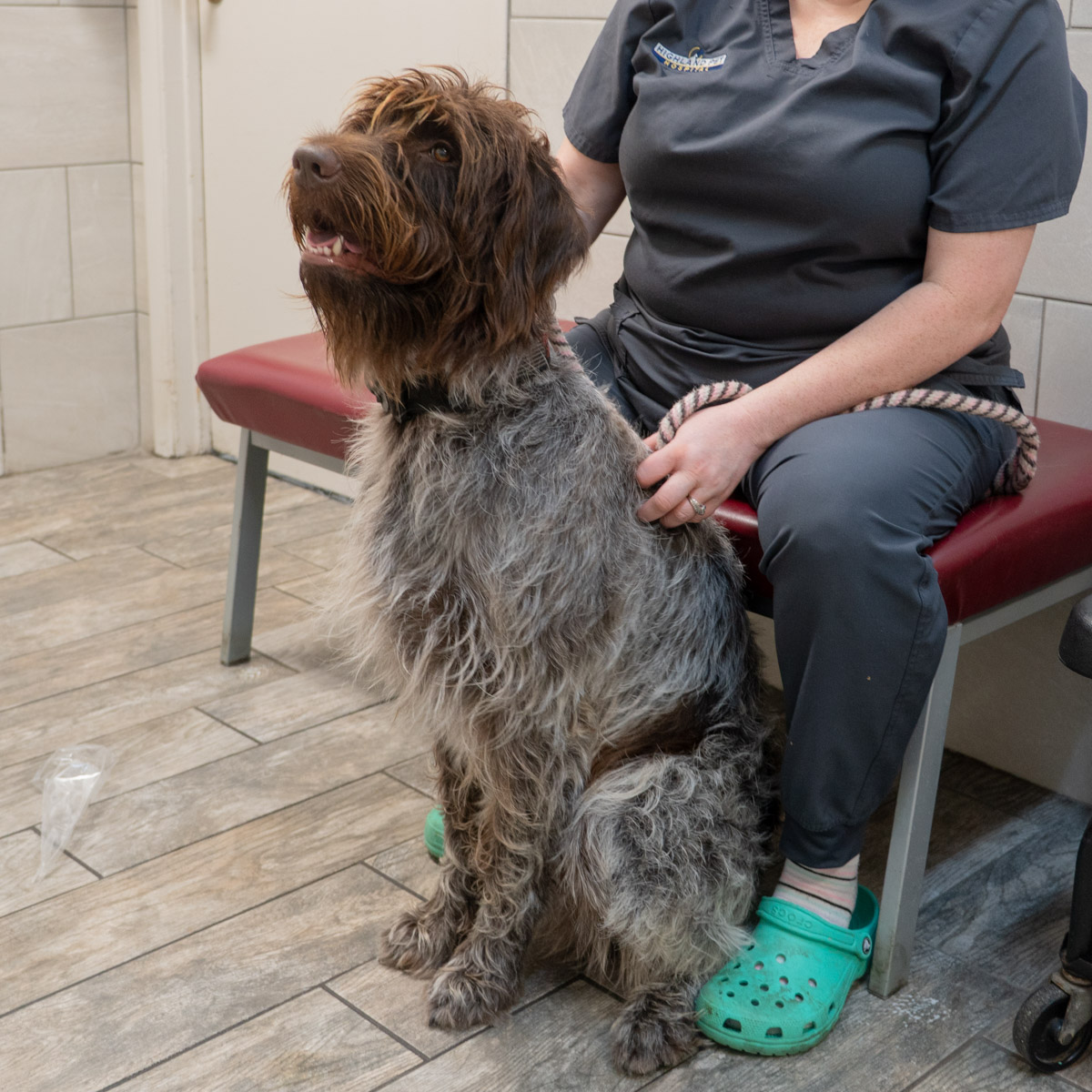
Safety and What It Means for Your Dog
Canine ultrasounds are very safe. They don’t use radiation, are non-invasive, and are commonly used in veterinary care. They’re even safe for pregnant dogs. And overall, don’t cause much stress or unrest for your pup.
They’re also helpful for catching issues early. By giving your veterinarian a clearer picture of what’s happening internally, ultrasounds can guide more targeted care and reduce the need for trial-and-error testing.
The Bottom Line
Ultrasounds are a simple, effective way to get answers about your dog’s health—whether you’re confirming a pregnancy or investigating symptoms. If your veterinarian recommends one, it’s usually the quickest way to move forward with confidence.
Schedule with Highland Veterinary Hospital
If you have questions about your dog’s health or think an ultrasound may be needed, the team at Highland is here to help.