
Raising Awareness On Pet Diabetes Month
November is National Pet Diabetes Month, and Highland Pet Hospital wants to inform pet parents and breeders about this disease, available treatments, and the importance of routine wellness exams. Diabetes (diabetes mellitus) is a growing concern in veterinary medicine that affects over 500,000 dogs and cats annually, according to the North American Veterinary Community (NAVC). With early diagnosis and consistent management, your furry friend can still lead a happy and fulfilling life.

What is Diabetes
Diabetes mellitus is a disorder that affects the pet’s ability to produce or properly utilize insulin, a vital hormone produced by the pancreas. Insulin’s primary function is to enable glucose (sugar) from food to enter the body’s cells for energy.
When a pet is diabetic, glucose builds up in the bloodstream (hyperglycemia), depriving the cells of energy. This condition can lead to severe health complications if left untreated.
In pets, there are two types of diabetes:
- Type 1 (Insulin-Deficiency): Most common in dogs, the pancreas fails to produce sufficient insulin.
- Type 2 (Insulin-Resistance): More common in cats, the body’s cells are not responding to the natural insulin in the pancreas.
Diabetes Risk Factors in Dogs & Cats
While any pet can develop diabetes, certain factors increase the risk for both dogs and cats.
Risk Factors in Dogs:
- Age: Most commonly diagnosed in middle-aged to senior dogs (typically 7 years and older).
- Gender: Unspayed female dogs are significantly more likely to develop diabetes due to hormonal interference with insulin. Spaying is a critical part of treatment.
- Obesity: Excess weight increases the risk by contributing to insulin resistance.
- Genetics: Certain breeds are at higher risk, including Miniature Schnauzers, Poodles, Samoyeds, and Pugs.
- Pancreatitis: Chronic or repeated inflammation of the pancreas can damage the insulin-producing cells.
- Steroid Medication: Long-term use of some steroid medications (like prednisone) can interfere with insulin function.
Risk Factors in Cats:
- Obesity: This is the most significant risk factor in cats, as excess weight drastically increases the risk of Type 2 (insulin-resistance) diabetes.
- Age: Most commonly diagnosed in middle-aged to older cats (typically 6 years and older).
- Gender: Male felines are diagnosed more frequently than females.
- Lack of Exercise: Inactivity contributes to the development of obesity and insulin resistance.
- Steroid Medication: Similar to dogs, long-term use of steroids can increase the risk.
- Genetics: Breeds like the Burmese are considered to be at higher risk.
Does My Pet Have Diabetes? Signs to Watch:
The onset of diabetes is often insidious, but there are key signs that should prompt an immediate vet visit:
- Excessive Thirst (Polydipsia): Your pet is drinking significantly more water than usual.
- Frequent/Increased Urination (Polyuria): This includes larger volumes of urine or accidents in the house/outside the litter box.
- Increased Appetite (Polyphagia): Your pet seems constantly hungry, even after eating.
- Weight Loss: Your dog or cat is losing weight for no apparent reason.
- Lethargy: Your pet seems more tired and less active.
- Chronic Infections: Including skin and recurring urinary tract infections (UTIs).
Is There a Cure for Diabetes?
For most dogs with Type 1 diabetes, it is a lifelong condition that requires management. In cats with Type 2 diabetes, the condition can sometimes go into remission (meaning the cat no longer needs insulin injections) with aggressive treatment, proper diet, and weight management. However, even in remission, the pet is still considered diabetic and requires careful monitoring.
The good news is that for both, diabetes is manageable, allowing your pet to maintain an excellent quality of life.
Diagnosis and Treatment
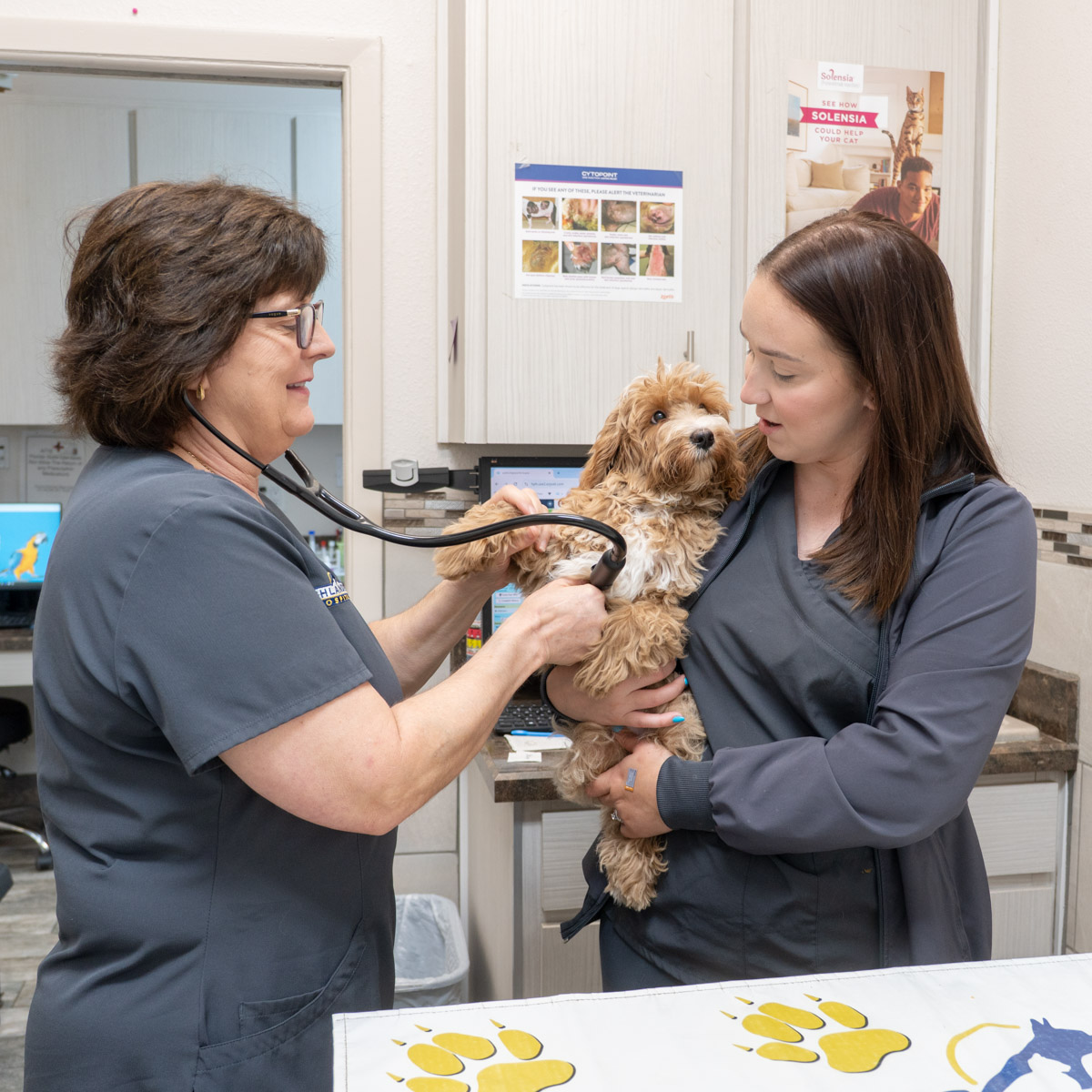
If your veterinarian suspects diabetes, they will perform a physical exam and use laboratory tests to confirm the diagnosis. These tests are non-invasive and typically involve a blood test and a urinalysis, which can provide valuable information about your pet’s health. Treatments typically include insulin injections, a balanced diet, and regular exercise.
Screen Your Pet for Diabetes at Highland Pet Hospital
Early diagnosis of any health issue is essential. If you reside in Central Florida, we recommend booking an appointment at Highland Pet Hospital for a check-up soon! Annual wellness exams are the single best way to catch diseases like diabetes in their earliest, most treatable stages, potentially saving your pet from serious health issues.