
Have a Heart, Check your Pet for Heartworms
February is the month of love and kindness. Many of us pet owners even view our four-legged friends as our Valentines. It’s essential to keep up with all of your pet’s healthcare throughout the year, but take February as a good time to make sure your pet is protected against heartworms. They are serious, but often preventable by routine testing and prevention. Many pets don’t even show symptoms early.
What Are Heartworms?
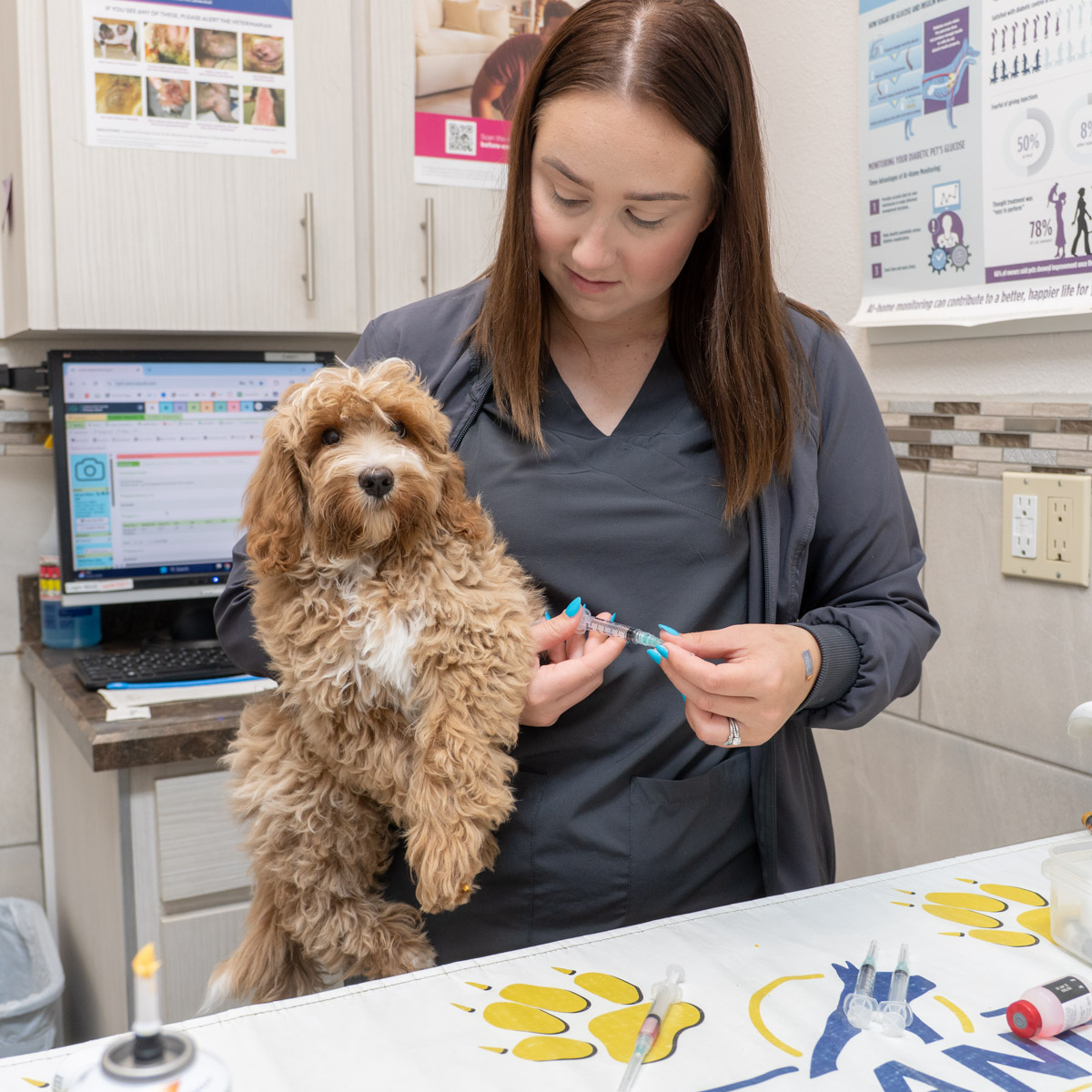
Heartworms are parasites transmitted by mosquito bites. They then live in their host animal’s heart, lungs, and nearby blood vessels. It’s not common in dogs, but cats and other animals can be affected too. These infections can cause lasting damage to your pet if left untreated.
How Heartworms Affect Pets
While early signs aren’t easily detectable, there are a few signs that you’ll see in an infected dog over time. You may start to see coughing, fatigue, weight loss, and reduced interest in activity. These are all signs that can be alarming in young, energetic pups. In cats, the symptoms are a bit different. They can show respiratory issues or subtle or sudden vomiting; it varies depending on the pet. Regardless of whether it’s a cat or a dog, damage worsens the longer it goes undetected.
Why Regular Testing Is Important
Many pets appear healthy while infected, which is why it’s important to be on top of tests or preventive medications. Mosquito exposure can happen indoors and outdoors, so even our beloved couch potatoes need check-ups. Annual testing can catch infections early and confirm that prevention is working. Testing is essential before starting or restarting preventatives because preventative medications will not kill existing heartworms. So even a missed dose or a lapse in prevention could require a quick heartworm test.
More on Heartworm Prevention: Easier Than Treatment
Monthly heartworm medication can be easily administered at home. They come in tablet form, beef-flavored, which is especially important for picky pets. It’s affordable and usually prescribed in annual or 6-month packets, so homeowners always have it ready to go. Conversely, treatment may require multiple medications and a higher risk for complications. So it’s best to get your four-legged friend on monthly preventative medications if not already.
When to Talk to Your Veterinarian
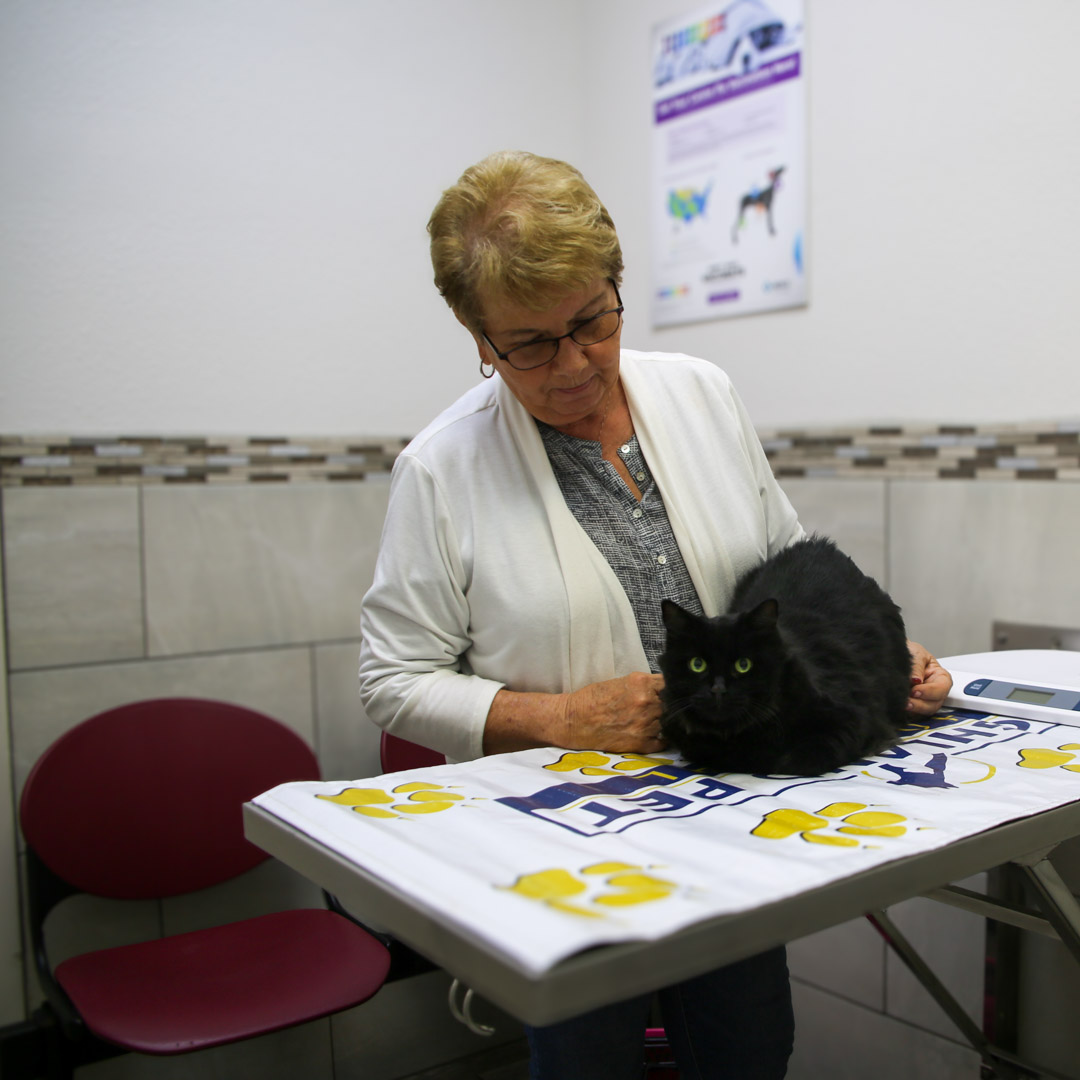
Things happen, and sometimes we run out of the monthly medications. That’s okay. But make sure to talk to your vet about any missed doses of prevention or if your pet hasn’t been tested in a while. Do not hesitate to reach out if your pet is also showing signs of light coughing or lethargy. Routine wellness visits are the best time to review prevention plans.
Keeping Your Pet’s Heart Healthy, All Year Long
Heartworm disease is preventable with regular care. Testing and prevention can help protect your pet’s heart and overall health, which is recommended at your pet’s annual check-up. The team at Highland can help create a heartworm prevention plan tailored to your pet’s exact needs.